EXPOSÉ
THE STARR FAMILY: ARCHITECTS OF AN OUTLAW STATE
BIOGRAPHIES
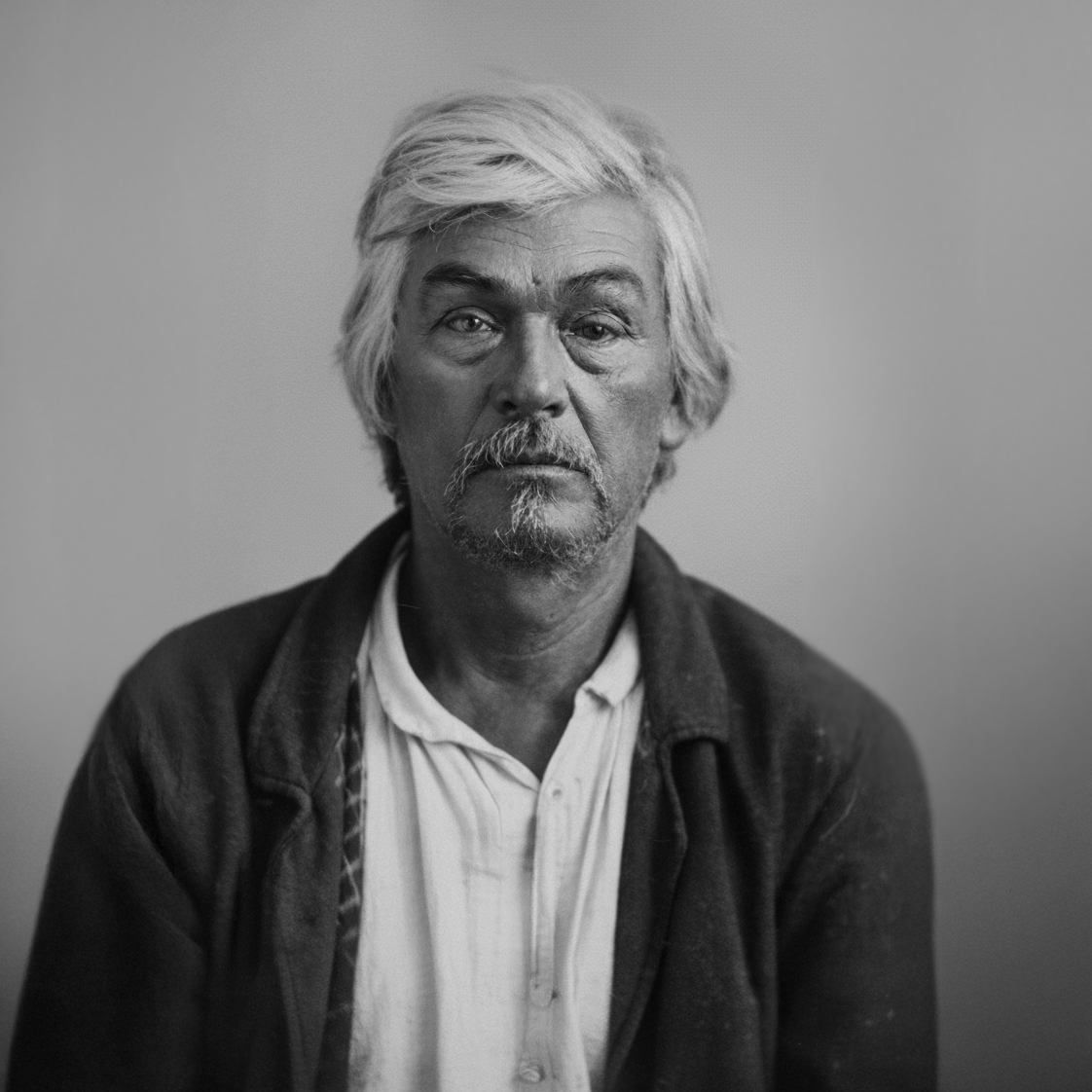
TOM STARR
A towering figure of the Cherokee frontier, Tom Starr earned a reputation as a relentless fighter during the bloody feud that tore his Nation apart. Feared and revered, his ruthless code of loyalty and vengeance birthed Oklahoma’s most infamous outlaw bloodline.
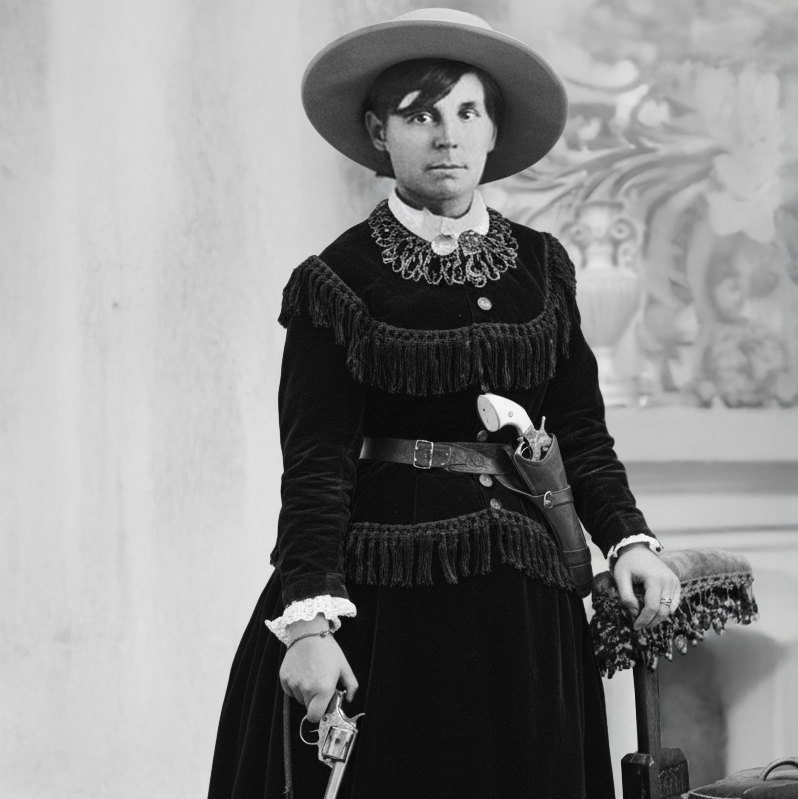
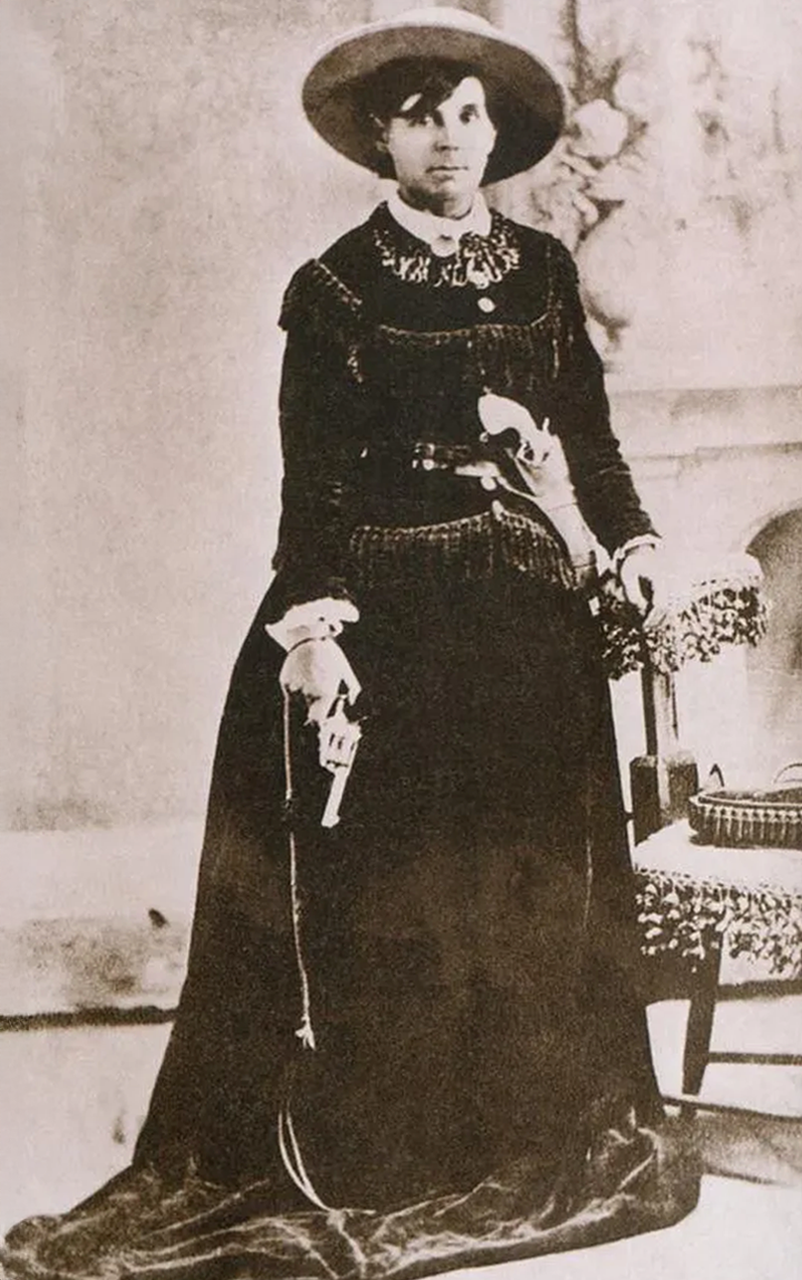
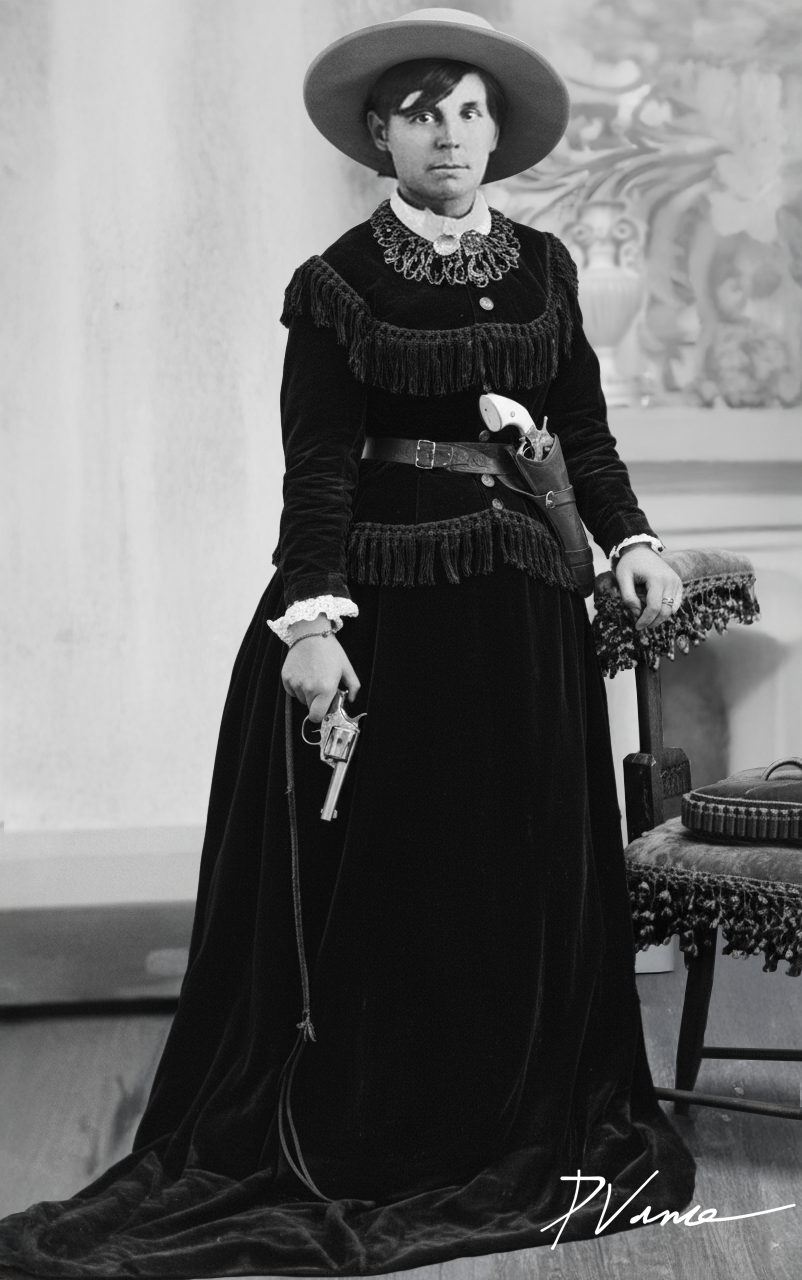
BELLE STARR
Belle Starr, the famed “Bandit Queen,” rose from cultured beginnings to command Younger’s Bend alongside Sam Starr. Witty, fearless, and cunning, she turned outlaw Oklahoma into her stage, mastering survival while building the enduring legend of America’s notorious outlaw woman.
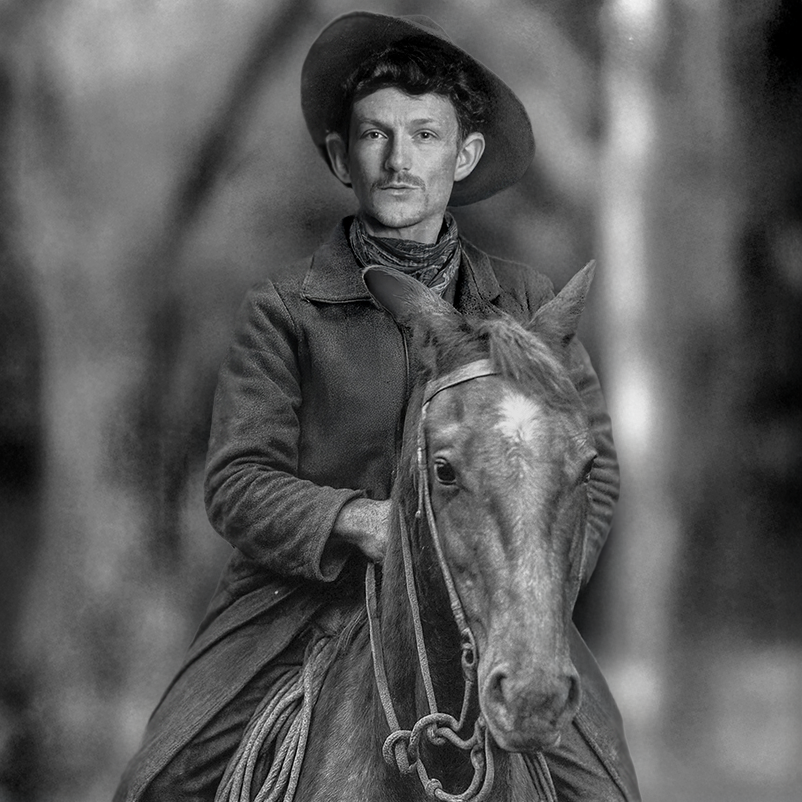
SAM STARR
Tom Starr’s son, he begrudgingly entered the world of his father. Sam inherited his family’s feuds and their fierce reputation. At twenty-five he wed Belle Starr, turning their Eufaula home into a sanctuary for fugitives, honorbly conrributing to Oklahoma’s outlaw dynasty.
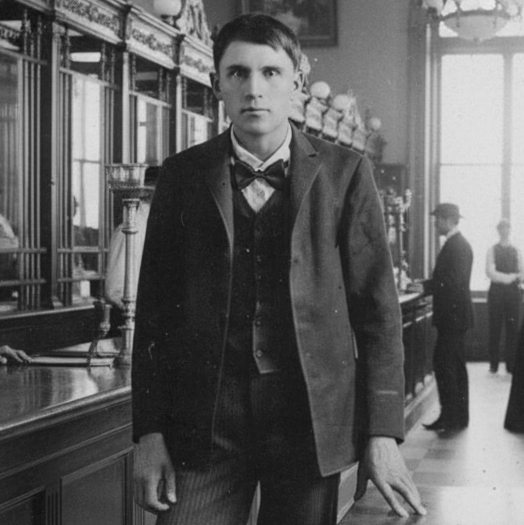
HENRY STARR
Born in 1873 near Fort Gibson, Henry Starr carried his uncle’s violent legacy into a new century. He masterminded audacious bank robberies—fourteen in five months—earning both presidential pardons and infamy as the last great outlaw of Oklahoma’s turbulent frontier.
EPILOGUE
Every place has its founding myths, the stories it tells itself about its own character. For Oklahoma, the most potent of these is not one of pious pioneers or orderly progress, but of defiance—a chronicle written in the language of the six-gun and the getaway car. To understand this, to truly comprehend why this particular patch of earth became such fertile ground for American lawlessness, one must look beyond the romanticized lone bandit and toward the genesis of an ecosystem. The answer lies not in a statistic or a statute, but in a family. The Starrs of the Cherokee Nation were not merely outlaws; they were the master architects of Oklahoma’s defiant soul. They did not just occupy the territory; they engineered its culture, constructing a pervasive permission structure for defiance that transformed individual criminal acts into a lasting legacy of institutionalized resistance. Continued…