
COLD
CASES
COLD CASES
Behind Every Cold Case, A Family is Waiting
We step in when others stop looking. Whether it’s a case from last month or 30 years ago, we bring persistence, modern tools, and a human-first approach to help families find the truth they deserve.
Behind Every Cold Case, A Family is Waiting
We step in when others stop looking. Whether it’s a case from last month or 30 years ago, we bring persistence, modern tools, and a human-first approach to help families find the truth they deserve.
WHAT IS A COLD CASE?
A cold case is a criminal investigation — usually a homicide or missing person case — that has stopped progressing because investigators have run out of workable leads.
WHAT IS A COLD CASE?
A cold case is a criminal investigation — usually a homicide or missing person case — that has stopped progressing because investigators have run out of workable leads.
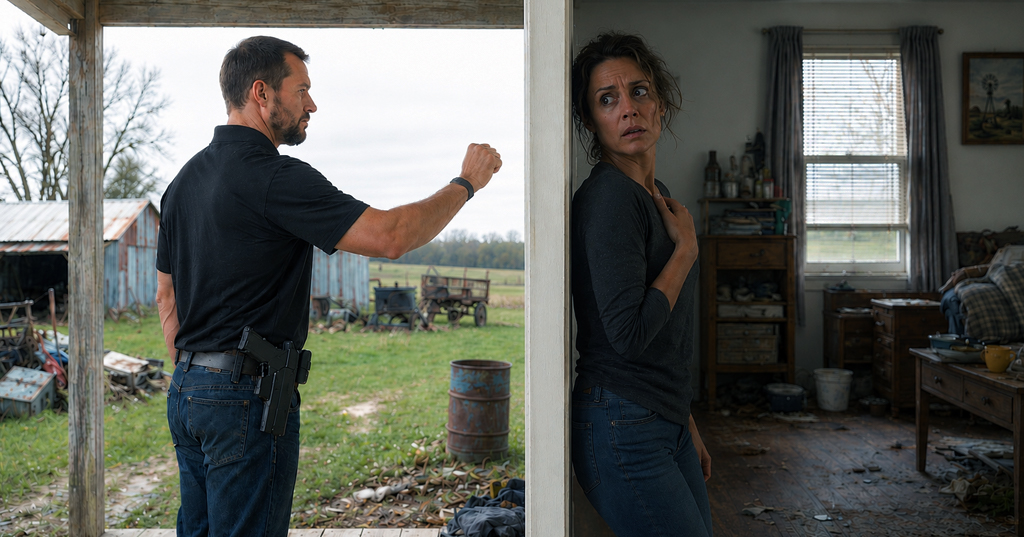
A Case is Considered Cold When:
- all immediate leads were exhausted
- witnesses stopped cooperating
- forensic technology hit a limit
- or the trail simply went dead over time
- The case has gone years without an arrest
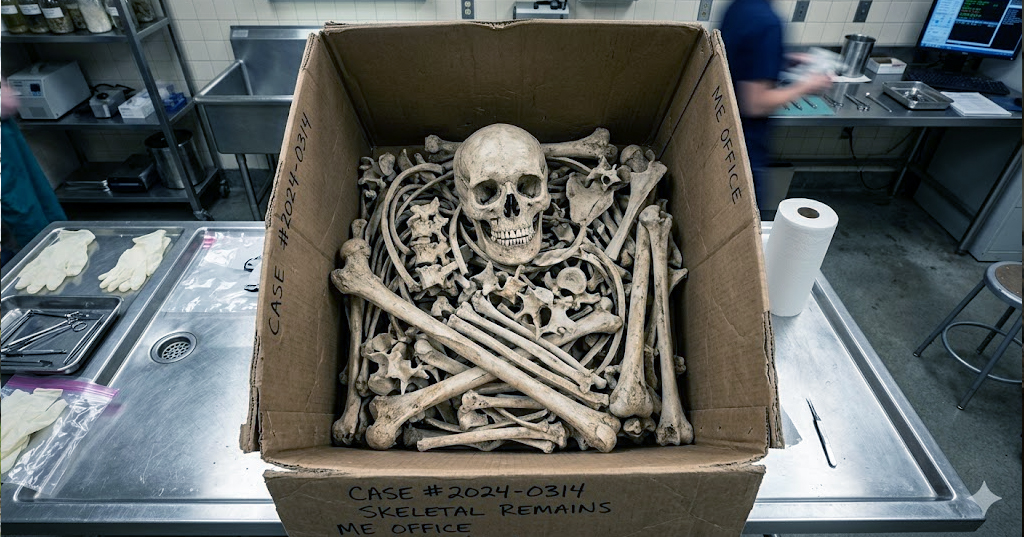
Cold Cases Commonly Include:
- unsolved murders
- missing persons
- unidentified human remains
- serial crimes
- and suspicious deaths
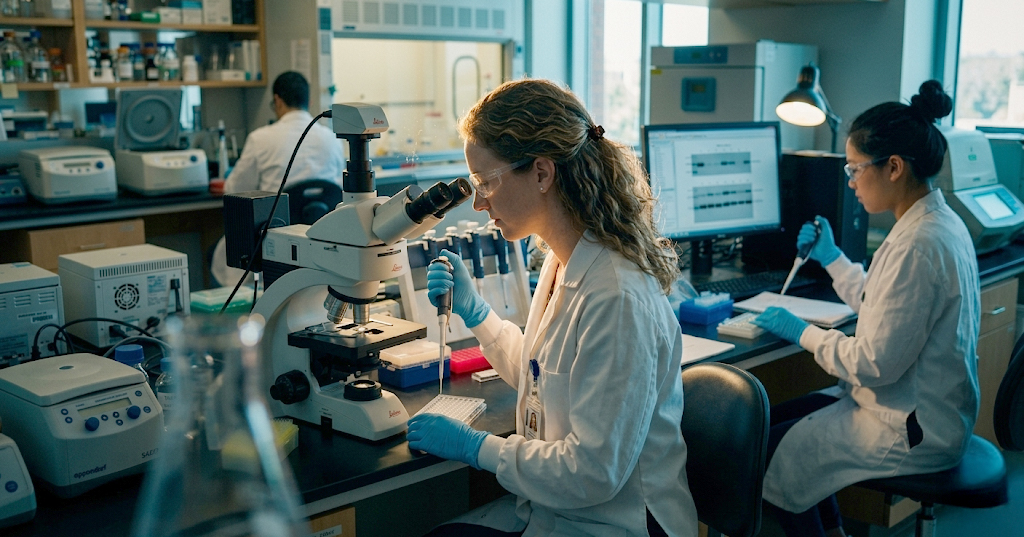
Cold Cases Often Re-Open Because Of:
- DNA advances
- social media evidence
- cell phone data
- genealogy databases
- or new witnesses finally talking
A Case is Considered Cold When:
All immediate leads have been exhausted, witnesses have stopped cooperating, forensic technology has reached its limits, or the trail has simply gone dead over time. In many cases, years pass without an arrest, leaving investigators with no clear path forward unless new evidence, new technology, or new witnesses emerge.
Cold Cases Commonly Include:
Unsolved murders, missing persons, unidentified human remains, serial crimes, and suspicious deaths are often handled as cold cases. These matters may remain open for years because the original investigation reached a stopping point, but the need for answers never went away.
Cold Cases Often Re-Open Because Of:
New DNA advances, social media evidence, cell phone data, genealogy databases, or witnesses finally coming forward can give old cases new momentum. Sometimes one new piece of information is enough to reopen a path that had been closed for years.
HOW WE SOLVE CASES
Solving a cold case requires more than just a fresh set of eyes; it requires a systematic, modern approach to historical data. By integrating advanced forensic science with sophisticated digital tracing and traditional boots-on-the-ground intelligence, we build a comprehensive roadmap toward the truth.
HOW WE SOLVE CASES
Solving a cold case requires more than just a fresh set of eyes; it requires a modern approach to historical data. By integrating advanced forensic science and traditional boots-on-the-ground intelligence, we build a comprehensive roadmap toward the truth.
Comprehensive File Re-Analysis (The “Fresh Eyes” Approach)
Sometimes the answer isn’t in a test tube; it’s buried on page 400 of a dusty case binder. Modern cold case units perform what is called a Cold Case Review, where investigators who have never seen the case before read it from start to finish.
-
Identifying “Missing” Links: A fresh investigator might notice a name that appears in three different unrelated witness statements—something the original, overworked detective might have missed in the chaos of the initial investigation.
-
Digitization and Pattern Recognition: By moving paper files into searchable digital databases, police can use AI and cross-referencing software to find links between cases in different jurisdictions that were previously invisible.


Law Enforcement Coordination & Case File Access
Many cold cases remain unresolved not due to a lack of effort—but because critical information is locked within official case files. At Silverstone, we work directly with law enforcement agencies to access, review, and analyze available records when permitted.
- Coordination with local, state, and federal agencies
- Assistance obtaining case files, reports, and evidence logs
- Independent review of investigative materials for missed leads
- Collaboration with detectives to support ongoing or inactive cases
- Structured presentation of new findings for official consideration
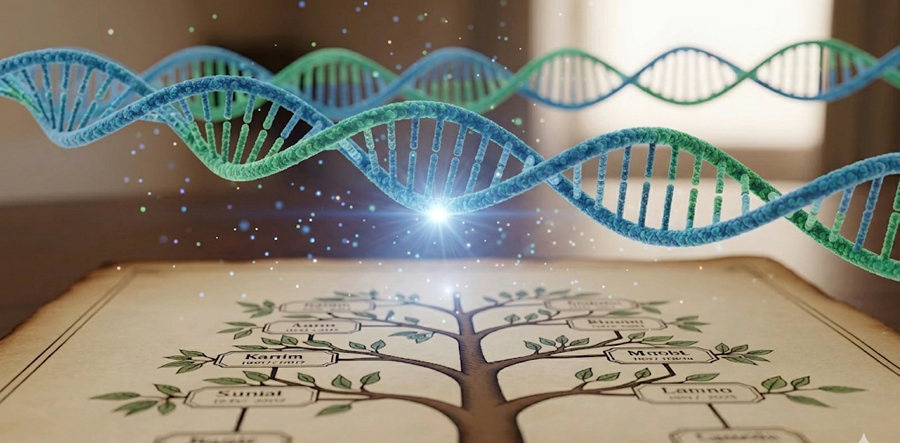
Forensic Genetic Genealogy (FGG)
This is arguably the most revolutionary tool in the modern investigator’s kit. Unlike traditional CODIS (Combined DNA Index System) searches, which require a direct match to a criminal’s DNA already in the system, FGG uses public DNA databases like GEDmatch or FamilyTreeDNA.
-
How it works: Investigators upload a suspect’s DNA profile to these databases to find distant relatives (3rd, 4th, or 5th cousins).
-
The Result: Professional genealogists then build out massive family trees to narrow down a specific branch of a family that was in the right place at the right time, eventually leading to a single suspect.

Digital Crowdsourcing and Amateur Sleuthing
The internet has turned the general public into a massive, unpaid investigative force. While this can occasionally lead to misinformation, it has been instrumental in identifying “John and Jane Does.”
-
Social Media Exposure: High-quality podcasts and social media campaigns keep cases in the public eye. A single person scrolling through TikTok might recognize a piece of jewelry or a facial reconstruction of a victim from their hometown in 1978.
-
The “Vocal” Witness: People who were too afraid to talk decades ago—due to gang ties, abusive relationships, or a lack of trust in the police—often feel safer coming forward now that the primary threats are deceased or incarcerated.
Comprehensive Case File Re-Analysis
Sometimes the answer isn’t in a test tube; it’s buried on page 400 of a dusty case binder. Modern cold case units perform what is called a Cold Case Review, where investigators who have never seen the case before read it from start to finish.
-
Identifying “Missing” Links: A fresh investigator might notice a name that appears in three different unrelated witness statements—something the original, overworked detective might have missed in the chaos of the initial investigation.
-
Digitization and Pattern Recognition: By moving paper files into searchable digital databases, police can use AI and cross-referencing software to find links between cases in different jurisdictions that were previously invisible.
Law Enforcement Coordination & Case File Access
Many cold cases remain unresolved not due to a lack of effort—but because critical information is locked within official case files. At Silverstone, we work directly with law enforcement agencies to access, review, and analyze available records when permitted.
- Coordination with local, state, and federal agencies
- Assistance obtaining case files, reports, and evidence logs
- Independent review of investigative materials for missed leads
- Collaboration with detectives to support ongoing or inactive cases
- Structured presentation of new findings for official consideration
Forensic Genetic Genealogy (FGG)
This is arguably the most revolutionary tool in the modern investigator’s kit. Unlike traditional CODIS (Combined DNA Index System) searches, which require a direct match to a criminal’s DNA already in the system, FGG uses public DNA databases like GEDmatch or FamilyTreeDNA.
-
How it works: Investigators upload a suspect’s DNA profile to these databases to find distant relatives (3rd, 4th, or 5th cousins).
-
The Result: Professional genealogists then build out massive family trees to narrow down a specific branch of a family that was in the right place at the right time, eventually leading to a single suspect.
Digital Crowdsourcing and Amateur Sleuthing
The internet has turned the general public into a massive, unpaid investigative force. While this can occasionally lead to misinformation, it has been instrumental in identifying “John and Jane Does.”
-
Social Media Exposure: High-quality podcasts and social media campaigns keep cases in the public eye. A single person scrolling through TikTok might recognize a piece of jewelry or a facial reconstruction of a victim from their hometown in 1978.
-
The “Vocal” Witness: People who were too afraid to talk decades ago—due to gang ties, abusive relationships, or a lack of trust in the police—often feel safer coming forward now that the primary threats are deceased or incarcerated.
TRUSTED RESOURCES
In many cases, progress depends on bridging the gap between families seeking answers and the agencies that hold the evidence. Our role is to navigate that process professionally, ensuring that every available avenue is explored while maintaining respect for active investigations and legal boundaries.
TRUSTED RESOURCES
In many cases, progress depends on bridging the gap between families seeking answers and the agencies that hold the evidence. Our role is to navigate that process professionally, ensuring that every available avenue is explored while maintaining respect for active investigations and legal boundaries.

OKLAHOMA COLD CASES
Jennifer and Amanda at OKCC are the hardest working champions for cold case justice in the state. Their motto says it all: “Our goal is to ensure the equality of all victims and their families in the eyes of the law, and make sure no one gets left behind.” Regardless of status. If necessary, Silverstone can coordinate with the OKCC to help get needed answers.

TULSA POLICE DEPARTMENT
Silverstone Investigations has experience coordinating with the Tulsa Police Department’s Cold Case Unit when appropriate. While private investigators and law enforcement serve different roles, cooperation can help ensure information reaches the appropriate channels. This can be especially valuable in cold case and missing person investigations.

OSBI
We maintain an open line of professional dialogue with the Oklahoma State Bureau of Investigations to ensure that new leads are provided and that information sharing can be both timely and actionable. The OSBI not only accelerates the momentum of long-stalled investigations but also can provide our clients with answers to complicated issues.
Turn Questions Into Answers
Silverstone delivers the quality professionals rely on. Connect with us now and put our expertise to work on your case.