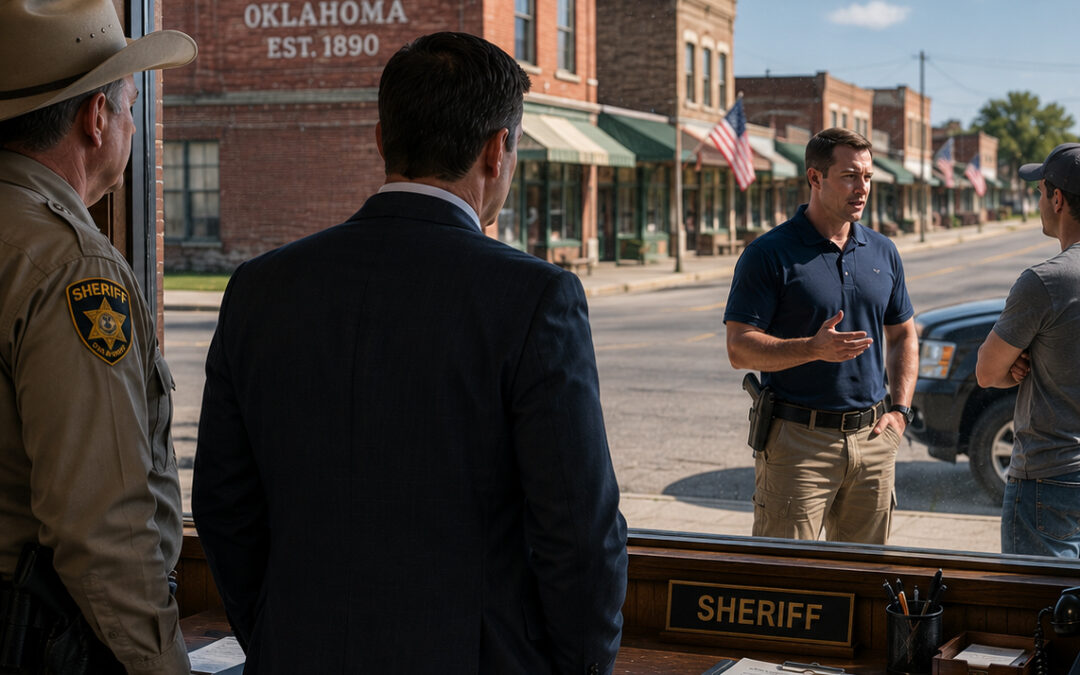
Every investigation begins long before an investigator arrives on scene. Experienced investigators spend time researching the subject, reviewing public records, and planning their approach. Just as importantly, they should understand the environment in which they’ll be operating. In Oklahoma, that environment can vary dramatically from one county to the next. Urban neighborhoods, isolated ranches, tribal lands, small towns, and remote backroads each present their own challenges. Good investigations begin with good preparation.
━━━━━━━━━━━━━━━━━━
1. Research More Than the Subject
Before accepting an assignment, investigators should learn as much as possible about the location itself. Satellite imagery, street-view services, property records, local news articles, and crime mapping tools can reveal valuable information before ever leaving the office. A dead-end road, abandoned structures, known drug activity, poor cell coverage, or difficult terrain may influence where you park, how you approach a location, or whether additional investigators should be present.
━━━━━━━━━━━━━━━━━━
2. Rural Oklahoma Presents Unique Challenges
Much of Oklahoma consists of sparsely populated rural communities where help may be many miles away. Cell service can disappear without warning, GPS navigation may become unreliable, and law enforcement response times can be significantly longer than in metropolitan areas. Investigators working in these environments should always have multiple communication options, inform someone of their location, and maintain an exit strategy before beginning surveillance or making contact.
━━━━━━━━━━━━━━━━━━
3. Assess the Local Officials
In many parts of Oklahoma, the biggest threat to your investigation isn’t the subject—it’s the local officials. Small-town dynamics often mean the District Attorney, the Sheriff, and local police chiefs are tightly intertwined, creating an insular ecosystem that protects its own. As a private investigator, entering their jurisdiction to unearth things they would prefer remain hidden may carry risks beyond the investigation itself. Carefully consider when and how to coordinate with local agencies, and recognize that every jurisdiction operates differently.
━━━━━━━━━━━━━━━━━━
4. Never Become Complacent
Most investigations are completed without incident, but complacency can quickly create unnecessary risk. Avoid becoming so focused on cameras, drones, or mobile devices that you lose awareness of your surroundings. Pay attention to approaching vehicles, changing traffic patterns, nearby individuals, and unexpected activity. If circumstances begin to feel unsafe or unpredictable, trust your instincts. A successful investigation is one that ends with everyone going home safely.
━━━━━━━━━━━━━━━━━━
5. Preparation Is a Safety Tool
Professional investigators know that safety begins before the first photograph is taken. Every assignment should include contingency planning, communication procedures, knowledge of the surrounding area, and a realistic assessment of potential risks. Researching the environment is not about expecting trouble—it is about recognizing that every investigation is different. Preparation allows investigators to make better decisions, adapt when circumstances change, and safely complete the mission.
━━━━━━━━━━━━━━━━━━
Every Investigation Is Different
No two assignments are ever the same, and neither are the communities in which they occur. Investigators who invest time in understanding both the subject and the surrounding environment are better prepared to recognize risks, avoid unnecessary confrontations, and make sound decisions in the field. Knowledge, preparation, and situational awareness remain three of the most valuable tools an investigator can carry.
━━━━━━━━━━━━━━━━━━
Sources
• National Institute of Justice (NIJ)
• FBI Law Enforcement Bulletin
• Oklahoma Department of Public Safety
• National Center for Rural Law Enforcement
• International Association of Chiefs of Police (IACP)
Know Your Environment Before You Investigate