
THE STARR FAMILY: OKLAHOMA'S ORIGINAL OUTLAWS
EPILOGUE
The Architecture of an Outlaw State
You might ask yourself, how could one family be responsible for a state’s outlaw nature? The answer lies not in a tally of their crimes, but in their role as a symbolic and practical nexus for a much larger, pre-existing culture of defiance. Tom Starr’s power was magnified because his personal grievances aligned perfectly with the defeated, yet unrepentant, spirit of the Confederate cause in Indian Territory. He was not a lone wolf; he was a chieftain for a lost cause. His network of allies—former guerrillas, bushwhackers, and militiamen who shared his hatred for federal authority—transformed his homestead from a simple hideout into the capital of a shadow republic. The legend of Tom Starr, the man who never surrendered, served as a powerful, living vindication for thousands who felt dispossessed by the outcome of the Civil War. Their children and their children’s children would not just hear a story; they would inherit a direct, first-hand connection to a defiant ethos. The Starrs provided the focal point, transforming a widespread sentiment of resentment into a tangible, operational model for resistance. They became the archetype, proving that the war for sovereignty had not ended at Appomattox, but had simply shifted to a new, more personal frontier.
This initial, familial enterprise ultimately transcended its own origins, evolving from a specific haven into a broadly held cultural property. The Starrs’ most enduring export was not their bloodline, but their narrative. The dime novels that sensationalized Belle, the newspaper accounts that detailed Henry’s audacious heists, and the folkloric whispers of Tom’s vengeance did something crucial: they abstracted the family’s specific defiance into a portable and potent legend. This legend became a form of cultural capital, available to any disaffected soul. A young Charles Arthur Floyd, reading of these exploits in the red dirt of rural Oklahoma, was not simply learning a trade; he was inheriting an identity. The Starrs provided the script, and generations of subsequent outlaws found they already knew their lines.
Consequently, the archetype of the Oklahoma outlaw has always possessed a distinct, almost performative quality—less a product of mere desperation than of a deep-seated cultural inheritance. The flamboyance of a “Pretty Boy” Floyd, who famously destroyed mortgage paperwork during his robberies, or the theatricality of the Barker gang, echoes the Starrs’ own understanding of image and narrative. This is not random lawlessness; it is lawlessness with a precedent, a conscious or unconscious performance within a historical drama. The modern-day spectacle of a televised high-speed chase or a brazen act of public violence in a Tulsa suburb can be seen as a crude, contemporary iteration of this same impulse—a desire to assert a defiant individuality against the impersonal machinery of the state, a script written over a century ago in the canyons of the Canadian River.
In the end, the story of the Starrs is the story of Oklahoma’s shadow constitution. While the state’s formal founding documents speak of laws and lawgivers, its soul was shaped in the resistant, sovereign space the family carved out. They demonstrated that defiance could be systematized, franchised, and mythologized. The true legacy of Tom, Belle, and Henry Starr, therefore, lies not in the treasure they may have buried, but in the far more valuable and dangerous asset they bestowed upon their homeland: a foundational and enduring mythology of resistance.
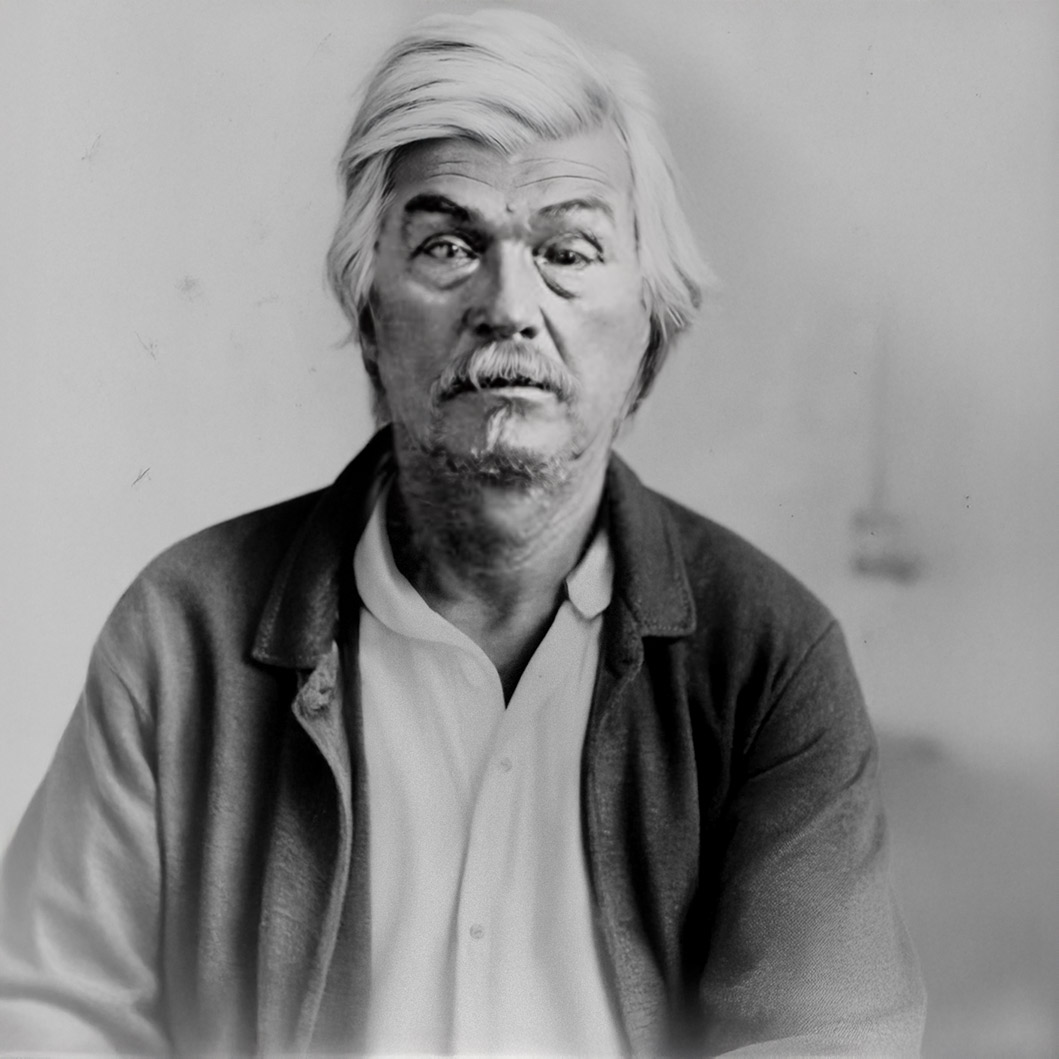
TOM STARR
A towering figure of the Cherokee frontier, Tom Starr earned a reputation as a relentless fighter during the bloody feud that tore his Nation apart. Feared and revered, his ruthless code of loyalty and vengeance birthed Oklahoma’s most infamous outlaw bloodline.
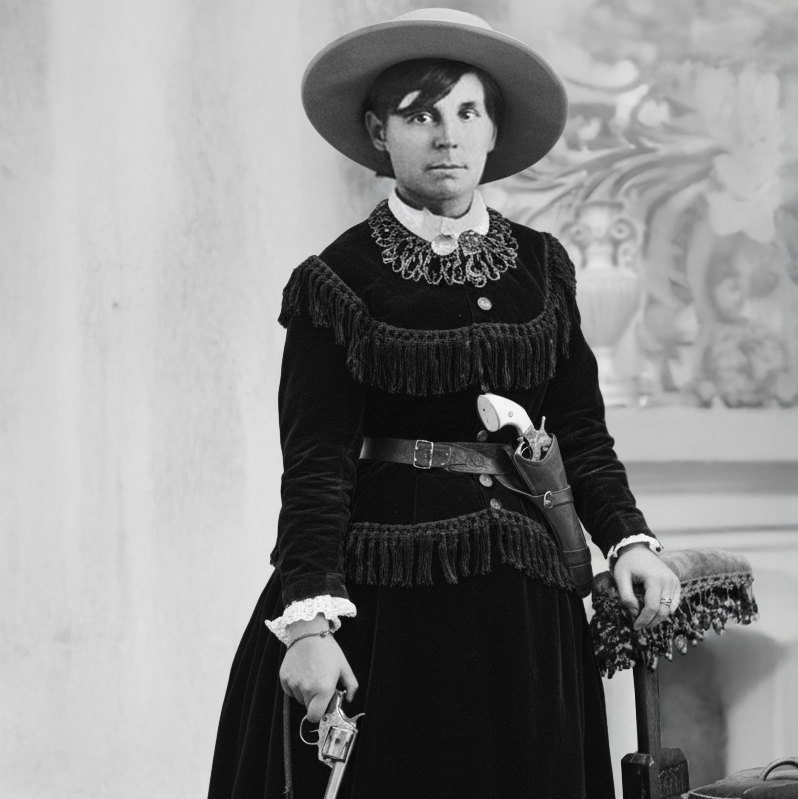
BELLE STARR
Belle Starr, the famed “Bandit Queen,” rose from cultured beginnings to command Younger’s Bend alongside Sam Starr. Witty, fearless, and cunning, she turned outlaw Oklahoma into her stage, mastering survival while building the enduring legend of America’s notorious outlaw woman.
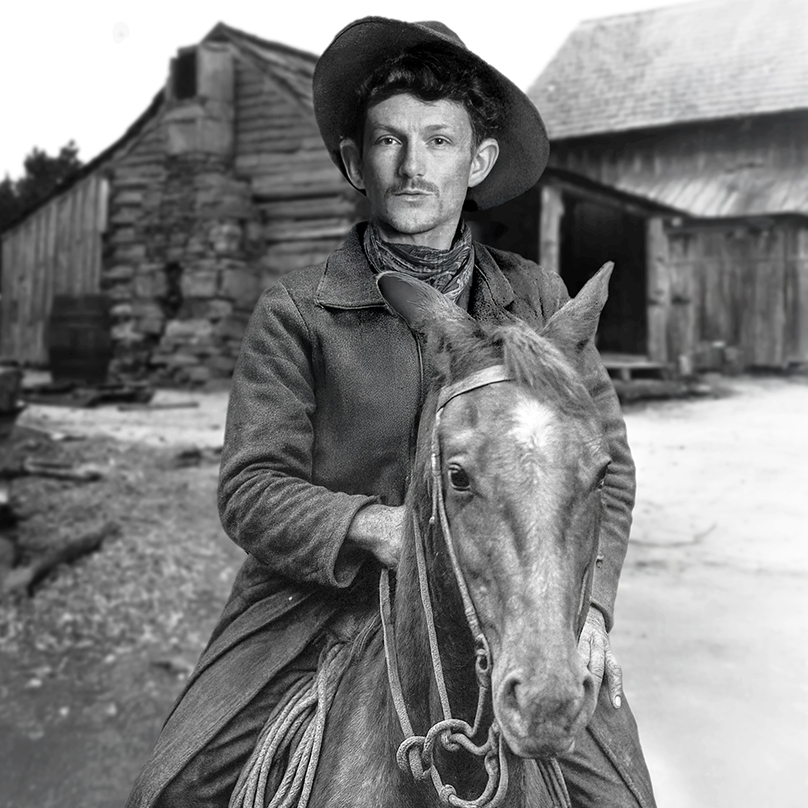
SAM STARR
Son of the feared Cherokee warrior Tom Starr, Sam inherited both his family’s feuds and their fierce reputation. At just twenty-five he wed Belle Starr, turning their Eufaula homestead into a sanctuary for fugitives and laying the foundation for Oklahoma’s outlaw dynasty.
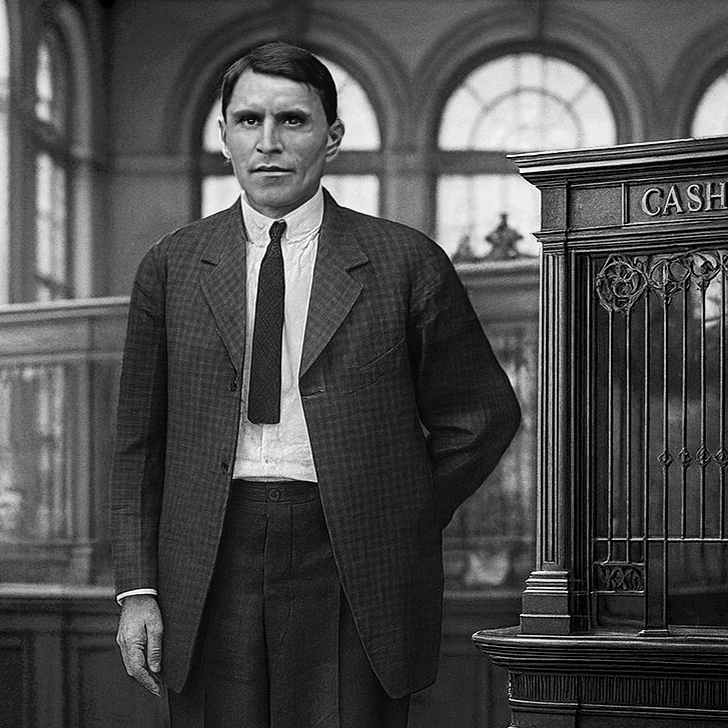
HENRY STARR
Born in 1873 near Fort Gibson, Henry Starr carried his uncle’s violent legacy into a new century. He masterminded audacious bank robberies—fourteen in five months—earning both presidential pardons and infamy as the last great outlaw of Oklahoma’s turbulent frontier.